
How to Create a 30-Day Content Calendar (A Complete Step-by-Step Guide)
Creating a 30-day content calendar is one of the smartest ways to stay consistent with your content strategy. Whether you are a business owner, social media manager, or fresher digital marketer, planning your content in advance saves time, reduces stress, and helps you publish high-quality posts consistently. In this guide, you’ll learn exactly how to build an effective monthly content calendar, what tools to use, and best practices to keep your content marketing running smoothly.
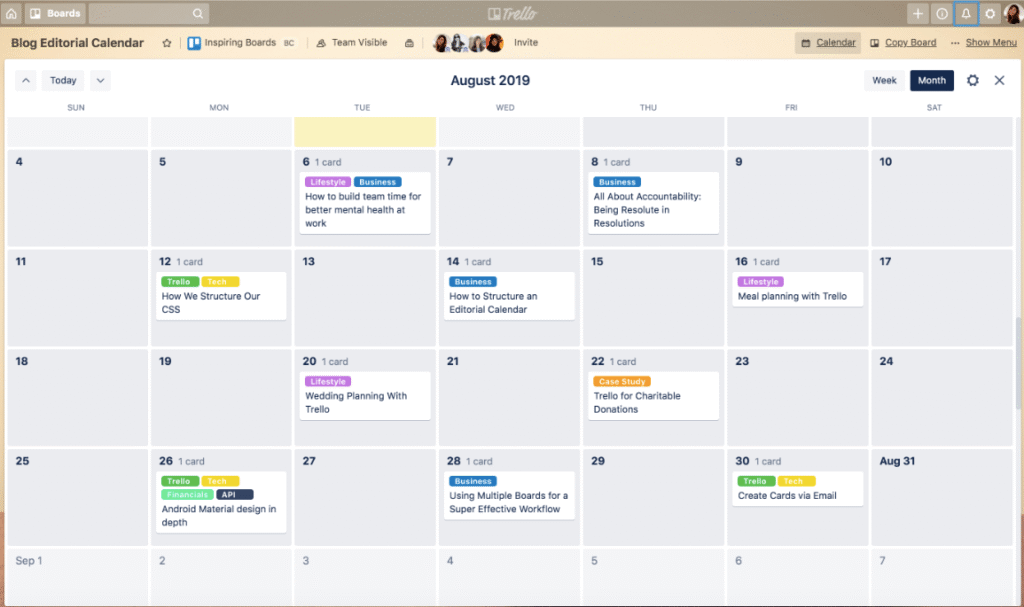
What Is a 30-Day Content Calendar?
A 30-day content calendar is a planning document that outlines what content you will post for the next 30 days. It includes details like content topics, captions, publishing dates, platforms, creatives needed, and hashtags. Instead of thinking last minute, this calendar gives you a clear roadmap for your digital marketing activities.
For marketers and brands, a monthly content plan helps maintain consistency across social media platforms, improves campaign coordination, and ensures content supports your marketing goals.
Why You Need a 30-Day Content Calendar
A monthly content calendar isn’t just a planning tool—it’s a growth strategy. Here’s why it matters:
✔ Consistency
Posting regularly increases engagement, reach, and brand visibility. A content calendar ensures you never run out of ideas.
✔ Saves Time
Planning a month in advance lets you batch-create content, schedule posts, and avoid last-minute rush.
✔ Strategic Marketing
Every post aligns with a goal—lead generation, awareness, engagement, or sales.
✔ Better Collaboration
Teams can clearly see who is doing what: designers, writers, editors, and social media managers.
✔ Track Performance
It helps measure what type of content performs best and adjust future strategies accordingly.
Step-by-Step Guide to Create a 30-Day Content Calendar
1. Define Your Content Goals
Before creating your calendar, determine what you want to achieve. Your goals may include:
- Boosting brand awareness
- Getting more website traffic
- Generating leads
- Increasing social media engagement
- Growing followers
Clear goals help you choose the right content types and posting frequency.
2. Identify Your Target Audience
Understanding your audience is the foundation of effective content planning. Ask:
- Who are they?
- What do they care about?
- What problems can you solve?
- What platforms do they use?
With this clarity, you can create content that resonates and performs better.
3. Choose Your Platforms
Decide where you want to post content for the next 30 days:
- YouTube
- X (Twitter)
- Blog
- Email newsletter
Each platform has different content formats, so plan accordingly.
4. Prepare Your Content Pillars
Content pillars are themes that guide your monthly content. Popular pillars include:
- Educational content
- Promotional content
- Inspirational quotes
- Behind-the-scenes
- Tutorials
- Testimonials
- Industry news
- FAQs
Choose 3–5 main pillars and build your 30-day plan around them.
5. Brainstorm 30 Content Ideas
Now start listing topic ideas based on your pillars. For example:
- Tips & How-to posts
- Carousel posts
- Reels
- Infographics
- Case studies
- Product highlights
- Trending posts
- Weekly series
This step gives you clarity on what you’ll post each day.
6. Assign Dates to Each Topic
Create a calendar format using:
- Google Sheets
- Notion
- Trello
- Asana
- Excel
- Canva content planner
Enter each content idea into specific dates so you know exactly what you’ll post every day.
7. Create Content in Batches
Batch-creating content saves time. Spend one day writing captions, one day designing graphics, and one day scheduling posts. This workflow increases productivity and consistency.
8. Use Scheduling Tools
Automate your posts using tools like:
- Meta Business Suite (Facebook & Instagram)
- Buffer
- Hootsuite
- Later
- SocialPilot
This ensures your posts go live even when you are busy.
9. Track and Analyze Content Performance
After publishing content for 30 days, review your analytics:
- Most engaging posts
- Best posting time
- Reach & impressions
- Saves, shares & comments
This helps you improve your next month’s content calendar.
Example Layout of a 30-Day Content Calendar
A simple format can look like this:
| Date | Platform | Content Type | Topic | Caption | Creative Needed | Status |
|---|---|---|---|---|---|---|
| 1st Jan | Reel | Social media tips | Draft caption | Video | Scheduled | |
| 2nd Jan | Carousel | Industry trends | Ready | Graphics | Uploaded |
You can customize it based on your needs.
Tips to Keep Your 30-Day Content Calendar Successful
- Stay flexible—adjust based on trends.
- Repurpose content across platforms.
- Keep extra ideas for backup.
- Use templates to speed up creation.
- Always check analytics before planning next month.
Final Thoughts
Creating a 30-day content calendar is an essential part of successful digital marketing. It simplifies your workflow, improves consistency, and helps you achieve better marketing results. With the right planning, tools, and strategy, you can stay organized and grow your brand effectively month after month.